
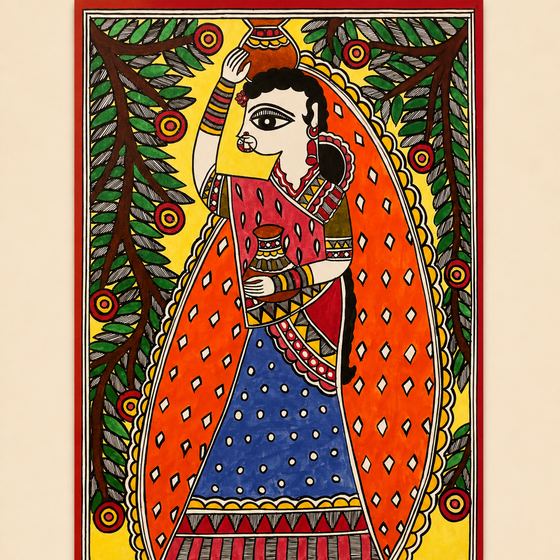
Madhubani
These walls became paper
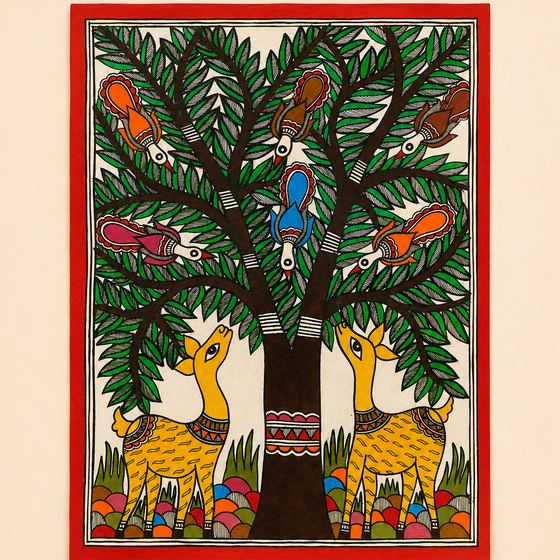
For centuries Madhubani was painted onto the walls of homes in Mithila, made for weddings and festivals, then lost to replastering. A 1966 drought changed that — read how it moved from wall to paper.
 Jaggo Earthroots

Handcrafted in India · Est. Mumbai
Hand-painted Madhubani art, lost-wax Dhokra brass, and GI-tagged Bobbili Veena miniatures — made one piece at a time, by the families who have always made them.

Our Story
Jaggo Earthroots works with three craft communities in India: Madhubani painters in the villages of Mithila, Bihar; Dhokra brass casters from the tribal belt of Chhattisgarh and Odisha; and a family veena workshop in Bobbili, Andhra Pradesh — home of a craft protected by Geographical Indication status.
We buy directly from these artisans, at fair prices we're glad to disclose, and export finished pieces to museum stores, galleries and design-led homes around the world. Every piece is an original. Nothing is mass-produced.
Shop by Craft
Every collection is rooted in one region, one technique and one community — nothing here is reproduced at scale.
 Mithila, Bihar
 Chhattisgarh & Odisha
 Bobbili, Andhra Pradesh
From $52.00
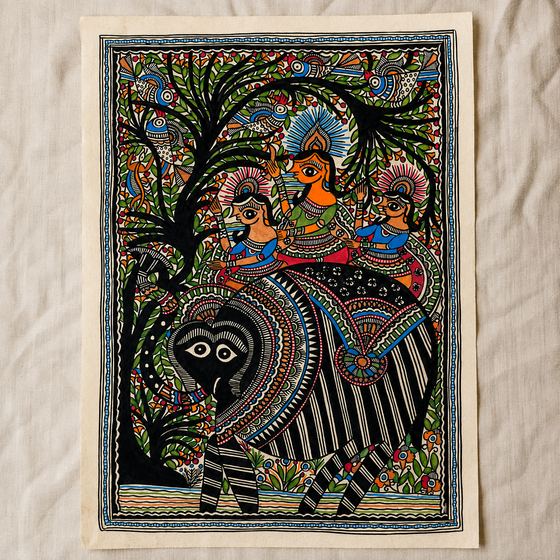
From $120.00
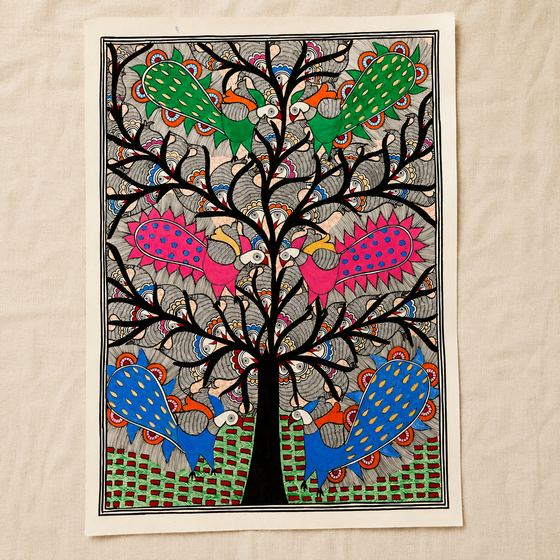
From $80.00
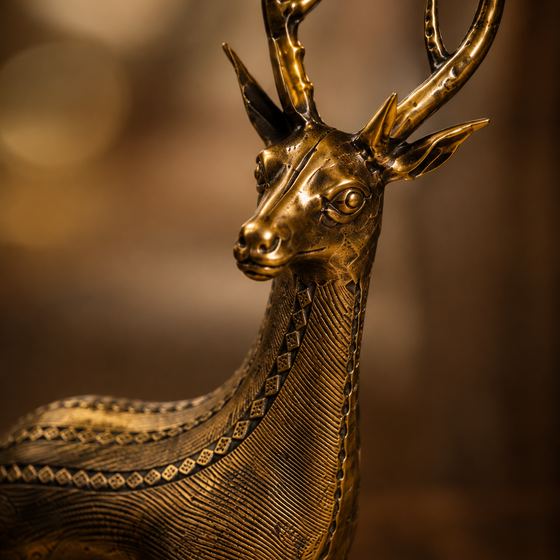
$28.50
$24.00
$21.50
$90.00
$85.00
From $52.00


Featured Piece
$28.50 wholesale FCA Mumbai
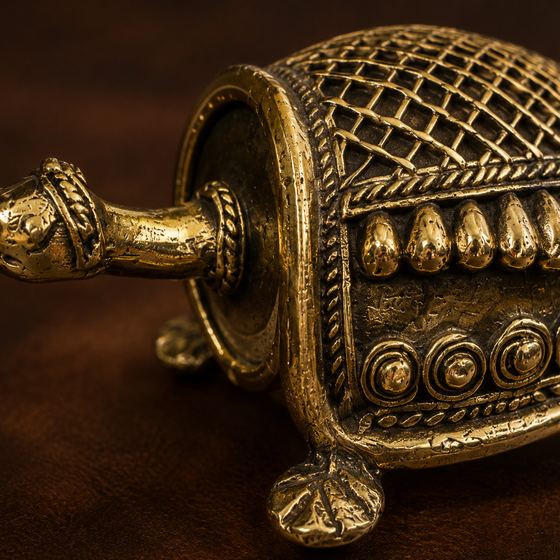
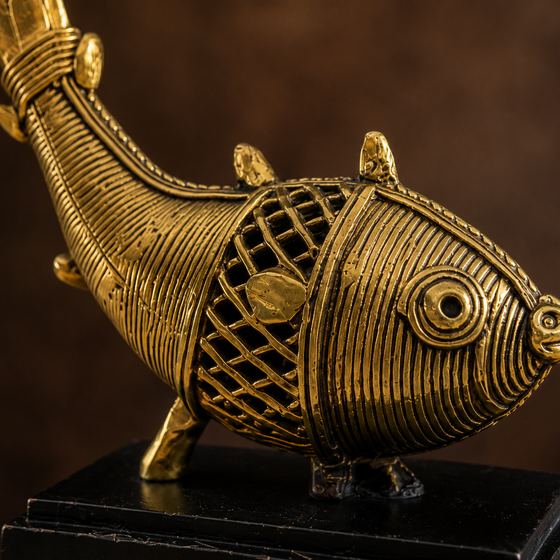
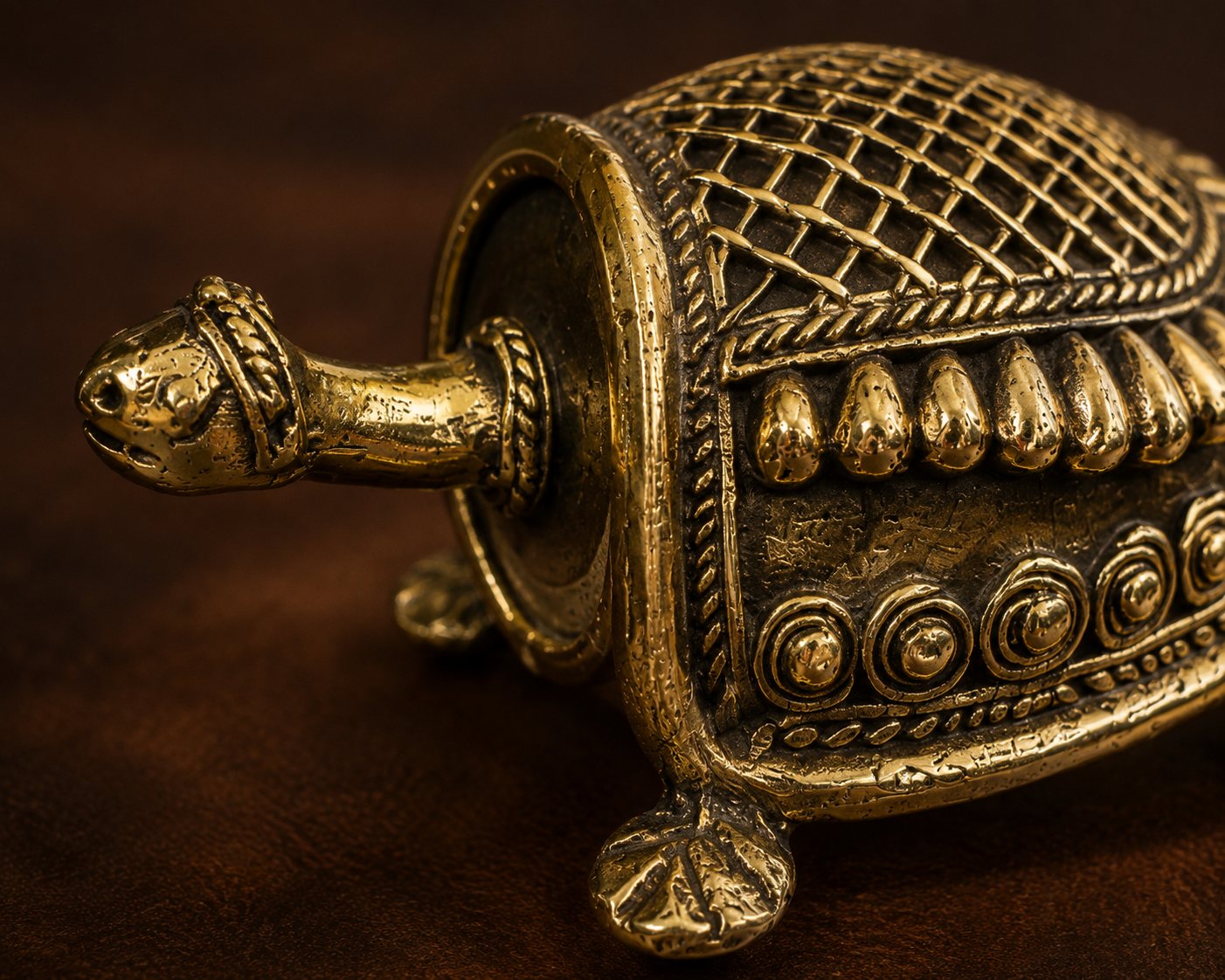
Cast using the lost-wax method by tribal artisans in Chhattisgarh — a technique unchanged for roughly four thousand years. A clay mould is built around a wax original, then broken open to free the piece, which means no two castings are ever quite identical.
Why Jaggo Earthroots
No moulded reproductions, no factory runs. Every painting, casting and carving is made and finished entirely by hand.
We buy directly from artisan families at agreed fair prices — no middle layer of trading agents between the maker and us.
Income stays with named craft communities in Bihar, Chhattisgarh and Andhra Pradesh rather than an intermediary export house.
Handmade paper, natural pigment, solid brass and rosewood — nothing plastic, laminated or synthetic.
Air-freighted from Mumbai. Paintings ship unframed and rolled, which keeps freight costs down and nothing arrives broken.
Brass and Veena pieces are cushioned and boxed for export; paintings travel in rigid tubes built for air transit.
The Hands Behind It
We buy directly from the people who make each piece — no trading agent in between.
Mithila, Bihar
For centuries, Madhubani was painted directly onto the mud walls of homes in Mithila — by women, for weddings and festivals — and lost to replastering generation after generation. A severe 1966 drought changed that: the All India Handicrafts Board suggested painting on paper instead, so the work could be sold for income. An art form thousands of years old became something you could own, within living memory.
Tribal Chhattisgarh & Odisha
Dhokra is lost-wax casting, roughly four thousand years old and largely unchanged. A wax model is built by hand, coated in clay, then fired — the wax melts away, molten brass fills the cavity, and the clay shell is broken open to free the piece. Because the mould only survives one casting, every Dhokra piece is structurally one-of-one.

Bobbili, Andhra Pradesh
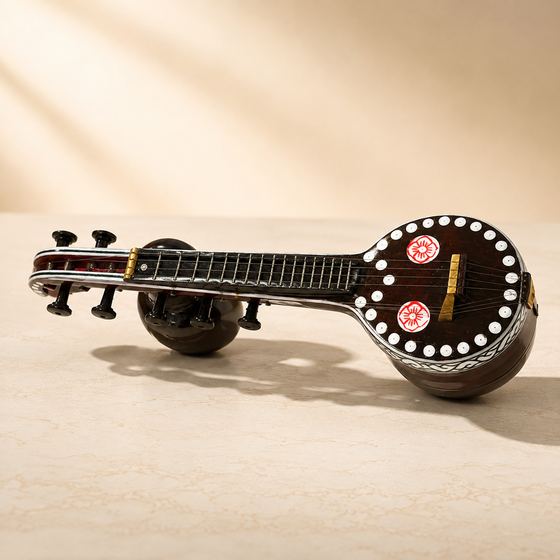
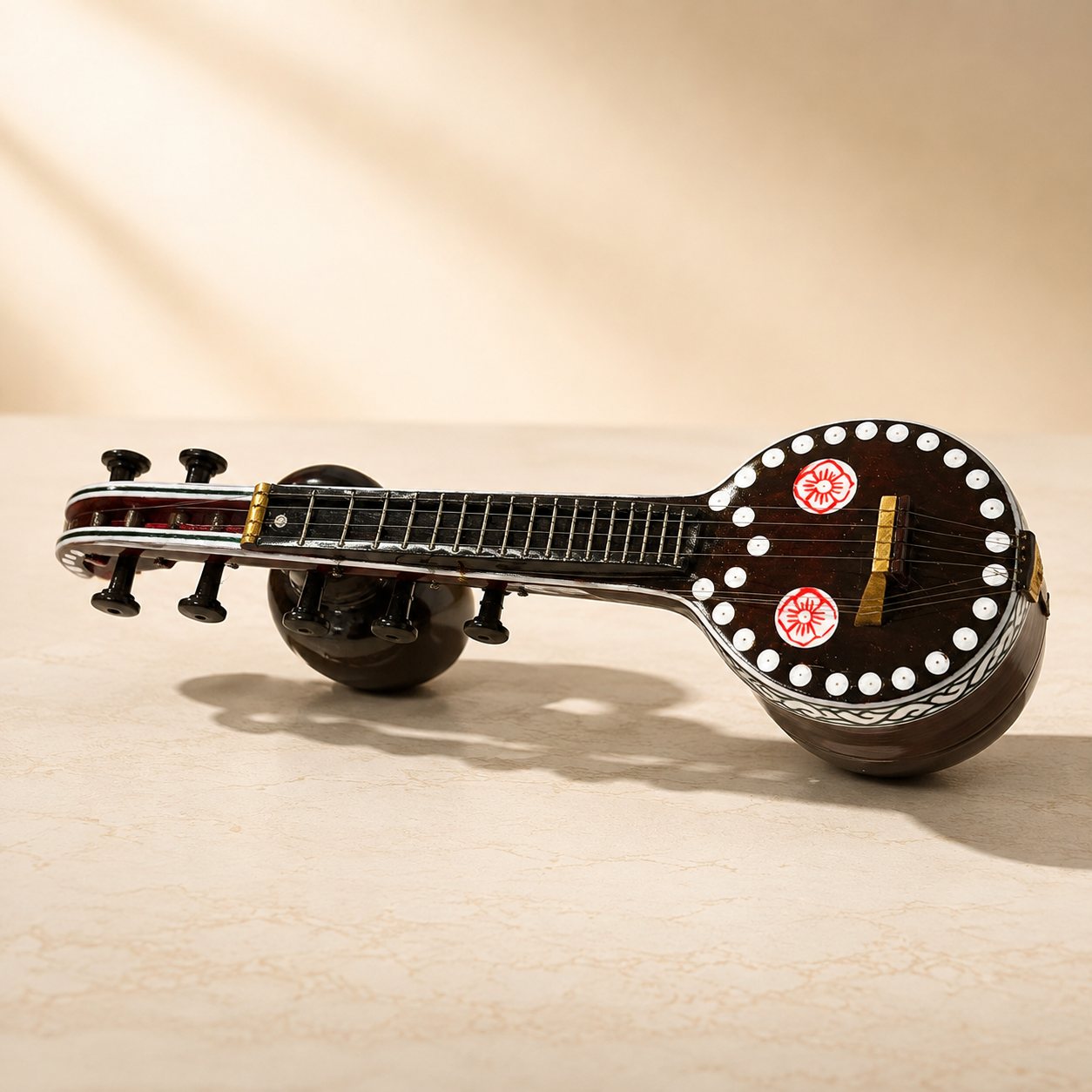
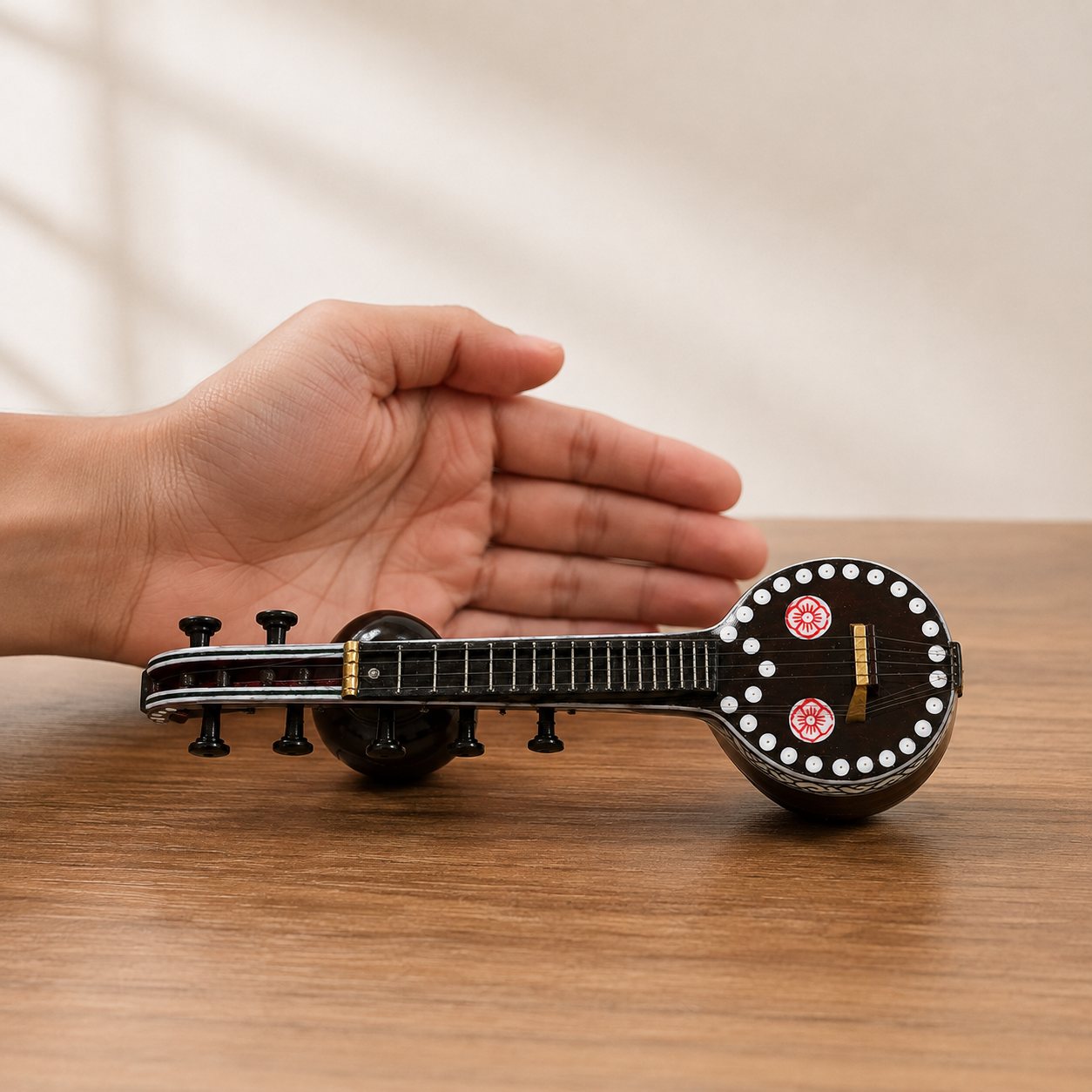
A single family workshop has built full-size veenas for generations. The miniature we export — six and nine inches — is carved from rosewood using the same technique, at a scale meant for a shelf rather than a stage. It carries Geographical Indication status: legal recognition that it can only be made here, by this method.
We've chosen not to publish staged portraits or invented biographies of individual artisans until we can do it properly — with real names, real villages and their permission. As we complete studio visits, this will be updated with named artisan profiles and photography.
How a Piece Is Made
Madhubani begins as a pencil outline on handmade paper; Dhokra begins as a wax model built over a clay core.
Natural pigment is layered by hand, or molten brass is poured into the mould and left to cool.
The clay mould is broken away, or the final linework is added — every piece finished individually, never in batch.
Paintings roll into rigid tubes; brass and Veena pieces are cushioned and boxed, then flown from Mumbai.
A Note on Trust
Jaggo Earthroots is a new export operation built on an established family craft-sourcing base. We won't invent customer reviews we don't have. What we will do: send a sample at our cost before you commit to an order, share our GST and IEC registration on request, and answer any question about what artisans are paid. Ask us anything before you buy — that's how we'd rather earn the relationship.
For Museum Stores, Galleries & Retailers
MOQs from 5 pieces. FCA Mumbai pricing, sample pieces available at cost, and a wholesale line sheet on request. We currently ship to museum shops, fair-trade importers and design-led retail across North America and Europe.
Field Notes
Madhubani
For centuries Madhubani was painted onto the walls of homes in Mithila, made for weddings and festivals, then lost to replastering. A 1966 drought changed that — read how it moved from wall to paper.
Dhokra
Four thousand years of lost-wax casting, and every Dhokra piece still destroys its own mould to exist. That's why no two are ever identical.
Bobbili Veena
The Bobbili Veena carries Geographical Indication status — a legal recognition that this craft belongs to one place, and can only be made there.